
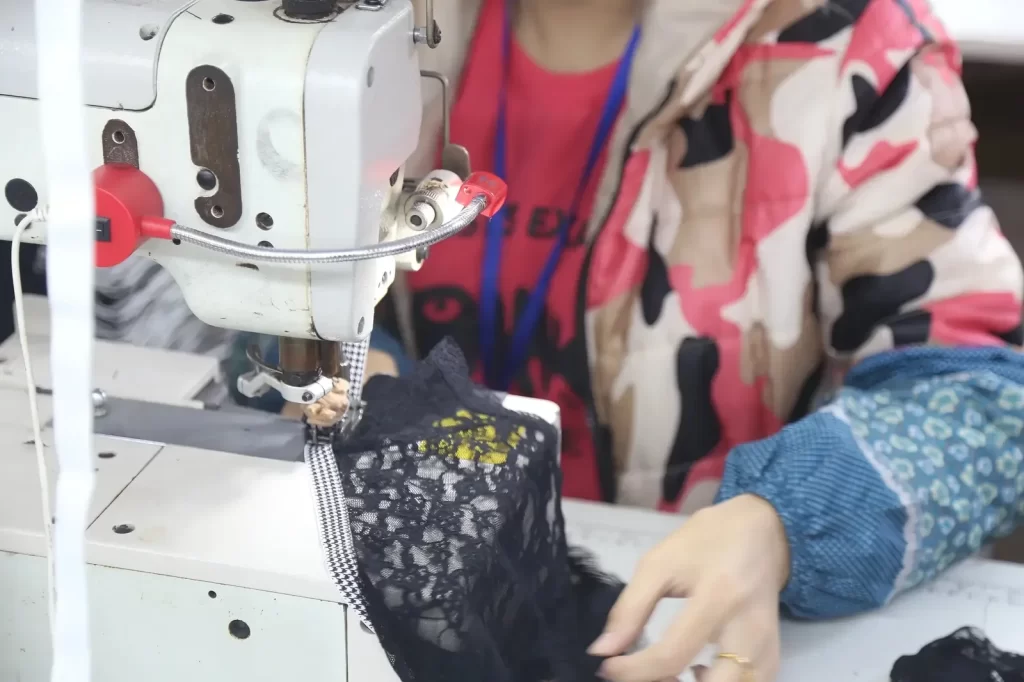
Lingerie trends move more slowly than fast fashion, but they do move. For wholesale buyers, the risk is not missing a trend, it is ordering 3,000 pieces of a trend that peaks in one season. This guide covers the lingerie trends for 2026 we are actually seeing in production and in buyer enquiries, with a note on which ones are safe for long-term stock and which ones are better tested in small quantities.
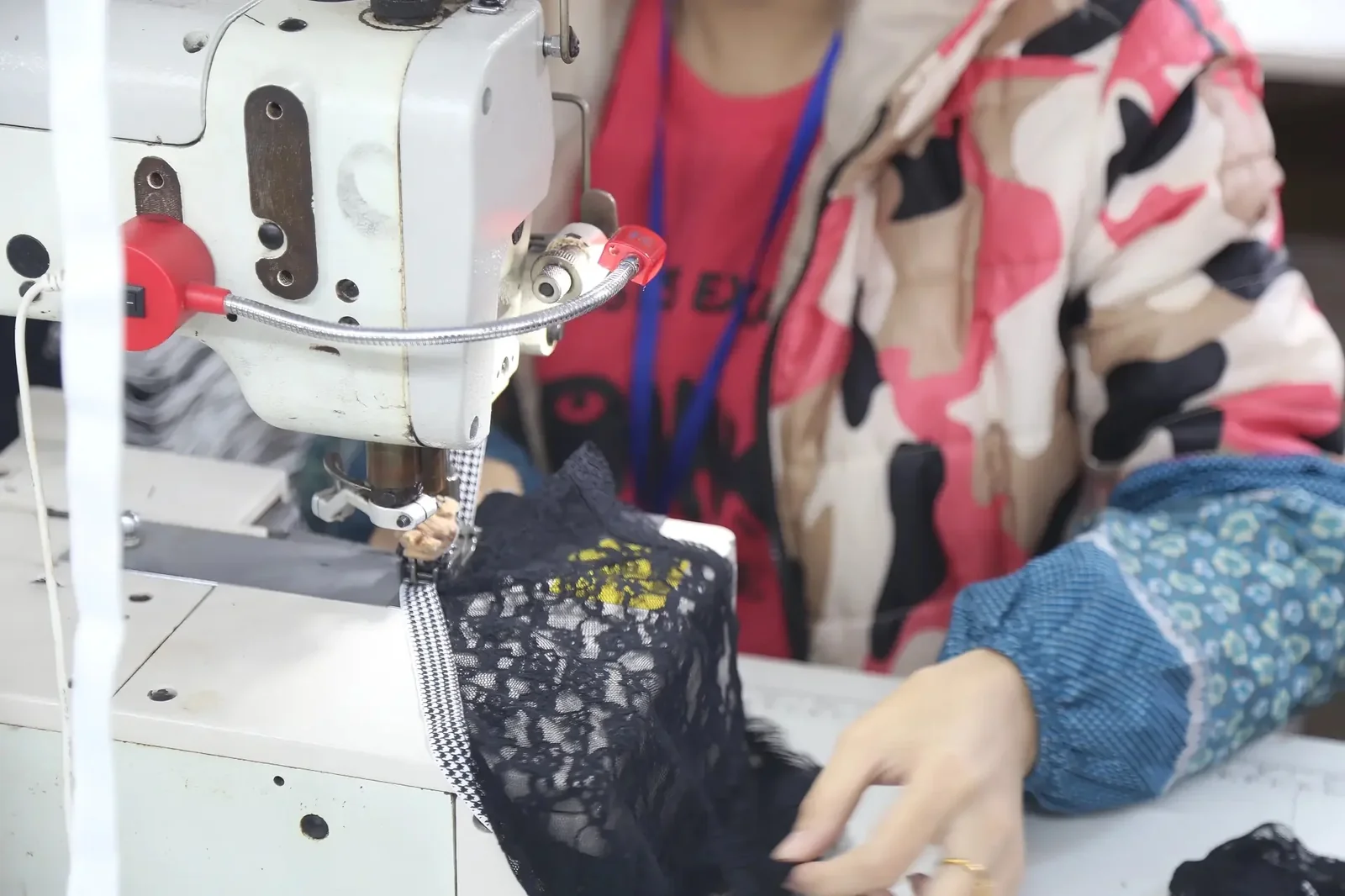
Our observations come from our own factory floor in Guangdong, where we produce stock styles and private-label orders for buyers in more than 50 countries. When a trend appears across several markets at the same time, it usually has legs. When it appears in only one market, it is usually a local preference.
1. Seamless And Wire-Free Comfort
Seamless bras and wireless construction continue to take share from traditional underwired styles. The demand is driven by daily comfort, easy sizing and lower return rates in online retail. For wholesale buyers, seamless styles are attractive because one size range covers more body types, which reduces stock risk.
Sourcing note: check bond strength and edge recovery on seamless styles. Cheap bonding fails after a few washes, which creates returns that cost more than the unit price saving.
2. Soft, All-Over Lace
Lace has not gone away; it has become softer. Buyers are moving away from stiff, heavily patterned lace toward stretch lace with a soft hand feel, often used across the whole cup rather than as a trim. The look is romantic, but the buying reason is practical: stretch lace fits more sizes and feels comfortable against the skin.
Sourcing note: ask for the lace composition and stretch percentage, and check pattern alignment on the cup seam. Lace placement is where cheap production becomes visible.
3. More Skin-Tone Shades
The nude shade range is expanding. Instead of one beige, buyers now request four to six skin-tone options across the same style. This is one of the clearest trends in 2026 because it is driven by customer demand for shades that actually match, not by runway fashion.
Sourcing note: skin tones are difficult to match across fabric types. Request lab dips and approve them under daylight before production.
4. Full-Cup And Size-Inclusive Ranges
Size inclusivity has moved from a marketing statement to an inventory decision. Buyers are extending cup ranges to D, E and F and adding larger underband sizes, especially in classic and full-cup shapes. The styles that sell best are not scaled-up versions of small sizes; they need real pattern grading and stronger support construction.
Sourcing note: ask whether the factory grades patterns or simply scales them. Graded patterns cost more to develop but fit better and reduce returns.
5. Recycled And Lower-Impact Fabrics
Recycled nylon and recycled polyester are now available at prices close to conventional fabrics, and buyers in Europe and North America increasingly ask for them. The trend is strongest in seamless and sport-inspired styles, where the fabric is already synthetic.
Sourcing note: ask for fabric certificates and traceability documents. If a supplier cannot provide paperwork, the “recycled” claim is not usable in your marketing.
6. Bralettes And Minimal Padding
Bralettes and lightly lined styles continue to grow, especially in younger customer segments and in warm climates. The construction is simpler, the price point is lower and the fit is more forgiving. For wholesalers, bralettes are a useful entry-level item that complements a core padded range.
Sourcing note: check strap width and underband elasticity. Minimal styles have nowhere to hide poor construction.
7. Multiway And Convertible Straps
Straps that convert between classic, cross-back and halter remain popular because they solve a real wardrobe problem. They also allow a buyer to sell one style as several looks, which improves sell-through per SKU.
Sourcing note: test the hooks and sliders repeatedly. Convertible hardware is the first component to fail on cheap styles.
8. Cotton And Breathable Everyday Basics
Cotton and cotton-modal blends are growing in everyday and nursing categories. Buyers are responding to customer demand for breathable fabrics and simpler care. The trend is less visual than lace, but it is more stable across seasons.
Sourcing note: confirm shrinkage after washing and colourfastness, especially on darker shades.
9. Bra-Top And Loungewear Crossover
Styles that work as both underwear and outerwear continue to expand. This includes longline bralettes, seamless crop tops and soft cup tops that can be worn under a blazer or on their own. The category sells well in markets with casual dress codes and warm weather.
Sourcing note: if the style will be worn visibly, check finishing on the inside as carefully as the outside.
10. Private Label Personalization
The strongest trend is not a shape or a fabric. It is the number of buyers launching their own label. Independent shops and online sellers increasingly want their own logo, labels, hang tags and packaging on stock styles, rather than generic wholesale products. This is where OEM and ODM services create the most value.
Sourcing note: ask for the MOQ per label and per colour, and confirm whether label changes affect production time. Custom labels usually add a few days, not weeks.
How To Buy Into A Trend Without Taking A Big Risk
Trends are only useful if they sell. A practical approach for wholesale buyers:
- Test with stock styles first. Order 3 to 50 pieces of a trend style before committing to a custom production run.
- Keep core basics stable. Most revenue still comes from classic padded, wireless and seamless styles, not from the trend of the season.
- Order trend colours in smaller quantities. Colour is the fastest part of a trend to look dated.
- Use trends to refresh photography and marketing, not always to replace the product range.
- Ask the factory what other buyers are ordering. A good manufacturer will tell you which styles are repeating across markets.
Frequently Asked Questions
What are the biggest lingerie trends for 2026?
The strongest trends are seamless and wire-free comfort, soft all-over lace, expanded skin-tone ranges, size-inclusive full-cup styles, recycled fabrics and private label personalization.
Which lingerie styles are safest for wholesale buyers?
Classic padded bras, wireless bras, seamless bras and cotton everyday styles have stable demand across seasons. Trend-led styles are better tested in small quantities first.
How many pieces should I order to test a new trend?
For stock styles, start with 3 to 50 pieces per colour. For custom styles, the minimum is usually 100 to 300 pieces per style, so test the trend with stock first and move to custom production once you have sales data.
Can you produce these trends with my own label?
Yes. We support private label and OEM production, including custom labels, hang tags and packaging, on both stock and custom styles.