
The fabric decides how a bra feels, how long it lasts and how well it sells. It also decides a large part of the unit cost. Yet most wholesale buyers choose a bra fabric by looking at a photo and a price, then discover after the first wash that the straps have lost their recovery or the lace has pilled.
This guide explains the fabrics we use in bra and lingerie production, what each one is good for, and how to check quality before you commit to a bulk order.
What Makes A Good Bra Fabric
A bra is a high-stress garment. The fabric has to stretch, recover, hold shape, breathe and stay comfortable against sensitive skin. Six properties matter more than the name of the fibre:
- Stretch — enough to fit a range of bodies without distorting the cup
- Recovery — the ability to return to its original shape after being stretched
- GSM (weight) — heavier fabric feels more premium but can be less breathable
- Breathability — important for comfort and hygiene
- Durability — resistance to pilling, snagging and colour fading
- Skin feel — softness and whether the fibre irritates sensitive skin
Two fabrics with the same composition can perform very differently depending on GSM, knit structure and finishing. That is why you should always ask for the specification, not just the fibre name.
The Main Fabric Types We Use
Nylon / Spandex Blends
The most common base fabric for bras, especially seamless and stretch styles. Nylon gives strength and a smooth surface; spandex gives stretch and recovery. A typical blend uses 80 to 90 percent nylon with 10 to 20 percent spandex. It holds colour well and works for both microfiber and lace bases.
Polyester / Spandex
Cheaper than nylon and widely used in lace, mesh and printed styles. It is durable and colourfast, but it feels less soft than nylon and does not breathe quite as well. Good for fashion styles and lower price points.
Cotton And Cotton Blends
Breathable, comfortable and popular for everyday, nursing and sensitive-skin ranges. Cotton is often blended with spandex for fit and with modal for softness. Pure cotton loses shape faster, so most bra fabrics use a blend.
Modal And Micro Modal
A semi-synthetic cellulose fibre that is softer and more drapey than cotton. Often used in comfortable daily bras, bralettes and loungewear. It takes colour beautifully but needs careful washing.
Lace
Not a fibre but a construction, usually made from nylon or polyester with elastane. Lace can be rigid or stretch, cheap or expensive. For bra cups and bands, stretch lace is more forgiving and fits more sizes. Soft all-over lace is one of the strongest trends in 2026.
Mesh And Power Net
Lightweight, breathable and used for support panels, side wings and fashion details. Power net provides structure without a rigid underwire and is common in full-cup and shaping styles.
Foam And Spacer Foam
Used for molded cups and padding. Foam density affects shape retention, softness and breathability. Spacer foam is thicker and more breathable than standard foam; it gives a smooth outline without heavy padding.
Which Fabric Suits Which Bra Style
| Bra Style | Main Fabric | What To Check |
|---|---|---|
| Seamless / wireless | Nylon-spandex knit | Bond strength, edge recovery |
| Lace bra | Stretch lace, mesh wings | Pattern alignment, stretch percentage |
| Padded / push-up | Microfiber, foam cup | Foam density, cup symmetry |
| Cotton everyday | Cotton-spandex, modal blend | Shrinkage, colourfastness |
| Sports / full-cup | Power net, high-spandex knit | Support, recovery after stretch |
Why GSM Matters More Than You Think
GSM means grams per square metre. It is the easiest way to compare two fabrics that look the same online. A 180 GSM nylon-spandex knit feels substantial and holds shape; a 120 GSM version of the same blend feels thin and loses recovery faster.
For everyday bras, 160 to 220 GSM is a common range. For lightweight bralettes and summer styles, 120 to 160 GSM can be appropriate. For support panels and power net, higher weights are used selectively rather than across the whole garment.
Ask for the GSM of the exact fabric being quoted. If a supplier cannot answer, they are probably quoting a generic price from a middleman.
How To Check Fabric Quality Before Bulk Production
You do not need a laboratory to catch most problems. A sample and a few simple checks will tell you a lot:
- Stretch and recovery: stretch the fabric by hand, hold for ten seconds, release, and see whether it returns to shape
- Shrinkage: wash a small swatch in warm water, dry it, and measure the change
- Colourfastness: rub a damp white cloth against the fabric and check for colour transfer
- Pilling: rub the fabric against itself and look for fibre balls
- Lace quality: check for holes, uneven pattern edges and stiff finishing
- Skin feel: wear the sample for a few hours, not just for a minute in the office
For larger orders, ask the factory for fabric test reports on shrinkage, colourfastness and fibre composition. A serious manufacturer will have them or can arrange testing.
Sustainable Fabric Options
Recycled nylon and recycled polyester are now practical options for lingerie, with prices close to conventional fabrics. Organic cotton is available for everyday and nursing ranges, though it usually costs more and has a shorter colour range.
If you plan to market a product as sustainable, ask for certificates and traceability documents before you print the claim on your packaging. Without paperwork, the claim is a risk, not a selling point.
Choosing Fabric For Your Market
Fabric choice should follow your customer, not the other way around:
- Europe and North America: softness, size inclusivity and documented sustainability matter; buyers accept higher prices for better hand feel
- Middle East: coverage, breathability and colour variety are important; cotton and modal blends perform well
- Latin America: fashion colours, lace and push-up shapes sell strongly; price sensitivity is higher
- Africa: durability and value matter most; heavier fabrics and strong colourfastness reduce returns
Frequently Asked Questions
What is the best fabric for a bra?
Nylon-spandex is the most versatile base fabric for bras because it combines strength, stretch and recovery. Cotton blends are better for breathable everyday styles, while stretch lace and mesh are used for fashion and support details.
What GSM should a bra fabric be?
Most everyday bra fabrics fall between 160 and 220 GSM. Lightweight bralettes can use 120 to 160 GSM, while support panels may use heavier power net.
Is lace good for wholesale bras?
Yes, if it is stretch lace with good recovery and clean pattern edges. Soft all-over lace is in demand, but cheap rigid lace feels uncomfortable and creates returns.
Can you source fabric for my custom design?
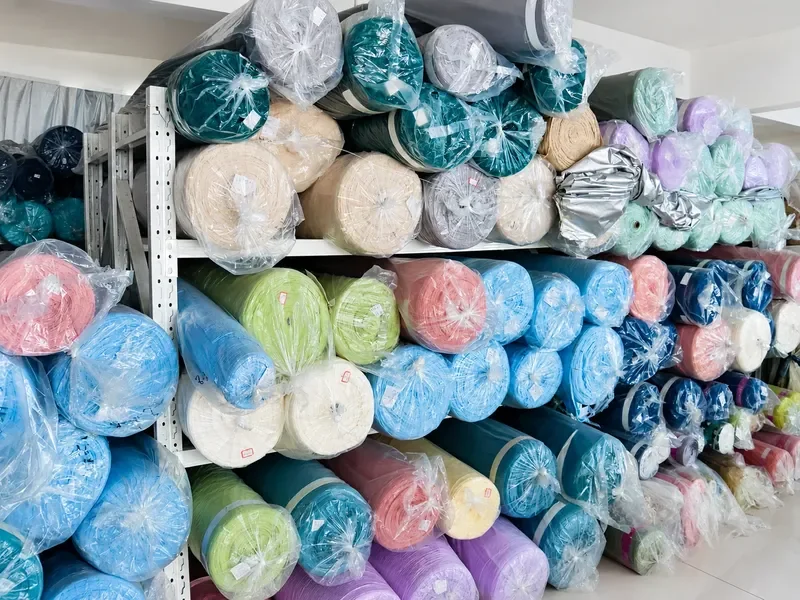
Yes. We can source lace, nylon-spandex, cotton blends, modal, mesh and foam from our local supply chain, and send swatches for approval before sampling.
If you are not sure which fabric suits your market, send us a reference photo or a sample and we will recommend two or three options with prices. Request a quote or contact our team.